Expert Concrete Contractor for All Your Construction Demands
Hiring an skilled cement specialist is essential for the success of any construction project. Their knowledge ensures that tasks are completed efficiently and to a high standard. These professionals navigate challenges with skill and have proven connections that simplify material sourcing. Understanding local regulations and emphasizing safety are also key aspects of their role. Yet, many disregard the lasting advantages of choosing the right contractor. What considerations should one consider when making this important decision?
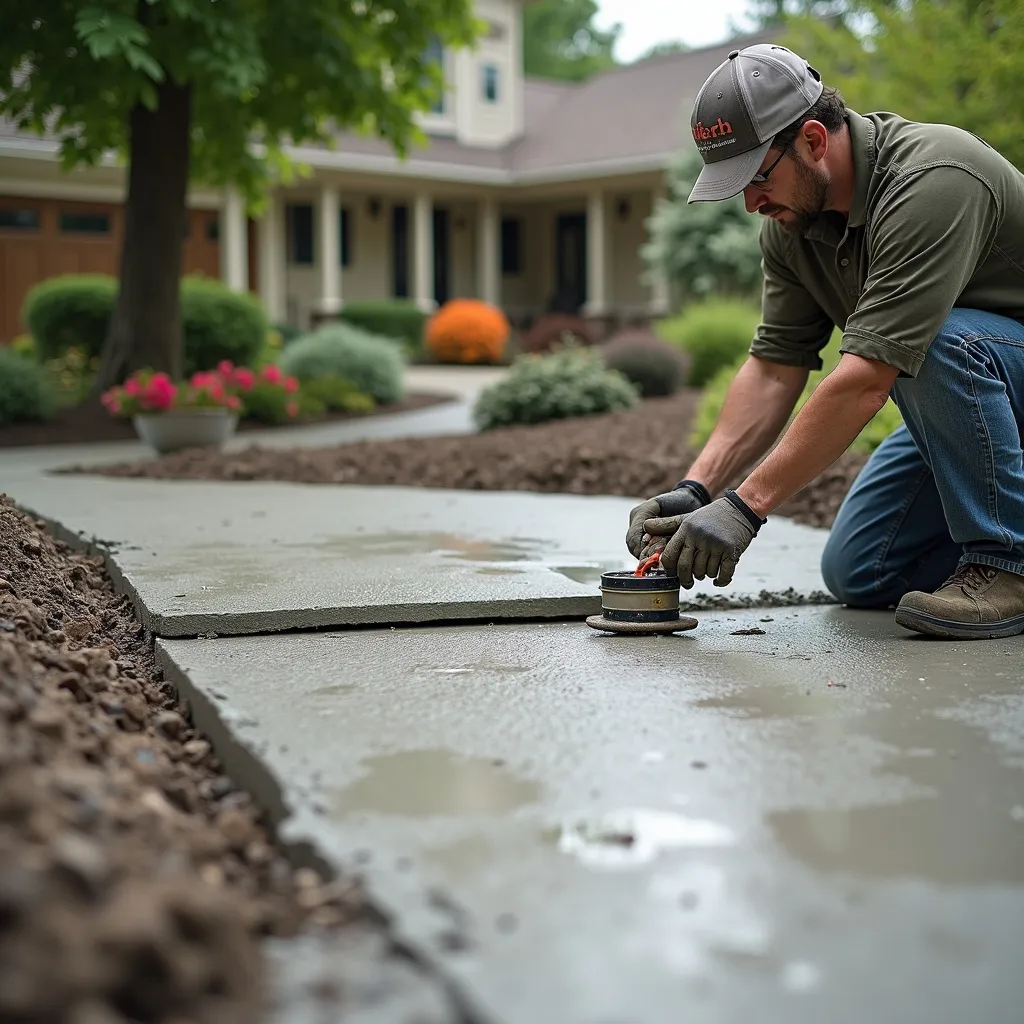
Why Appointing an Accomplished Concrete Contractor Deserves Attention
When deliberating a construction project, the necessity of bringing on an veteran concrete contractor is undeniable. An experienced contractor contributes a tremendous store of competence and capabilities that are essential for assuring the value and durability of concrete work. Their expertise with varied procedures and materials enables wiser decision-making, finally producing a more dependable and reliable structure.
Furthermore, experienced contractors are adept at maneuvering potential challenges that may occur during the building phase. They are prepared to manage unexpected issues efficiently, reducing delays and extra expenses. In addition, an experienced contractor often has strong connections with suppliers and subcontractors, which can streamline the procurement of materials and resources.
Essential Characteristics of a Trustworthy Concrete Contractor
A dependable concrete contractor possesses several essential qualities that set them apart in the construction industry. Primarily, excellent communication abilities are vital; they ensure that customers are informed throughout the project, fostering trust and clarity. Additionally, a strong track record established through positive customer feedback and referrals indicates a contractor's dependability and quality of work.
Furthermore, proficiency in various concrete applications, paired with knowledge of the latest techniques and materials, permits them to deliver superior results. Detailed attention is another notable quality, as it assures precise measurements and exceptional standards of workmanship.
At last, a commitment to safety and adherence to regulations reflect expert conduct and reliability. By adopting these qualities, a reliable concrete contractor not only meets client expectations but also facilitates successful project outcomes, proving them crucial in the construction industry.
Tips for Choosing the Ideal Concrete Project for Your Situation
Selecting the appropriate concrete assignment requires careful thought of particular needs and objectives. Individuals should begin by evaluating the intended use of the concrete, whether for driveways, foundations, or decorative elements. A clear understanding of the project's purpose directs the selection of materials and methods.
Next, budget constraints represent an important role. Analyzing current monetary assets helps in determining the scale and complexity of the project. Additionally, the local climate can determine the option of concrete selection and finishing techniques, securing sustainability and permanence.
It is also vital to account for the timeframe for completing your project. Some concrete applications demand time for curing, which may influence scheduling. Consulting with an skilled concrete professional can deliver valuable insights into the recommended techniques and possible choices. In the end, matching the specific details of your project with personal requirements leads to a successful concrete undertaking that achieves the desired outcomes.
What You Should to Know About Local Concrete Regulations?
Grasping local concrete standards is important for any construction project, as these rules determine various aspects of concrete use, including material specifications, installation methods, and environmental considerations. These codes are typically created by city or state authorities and can vary greatly from one location to another.
Contractors should comprehend zoning laws, which can dictate where concrete structures may be erected. Additionally, building codes typically set forth the required strength and composition of concrete mixes, promoting safety and durability. Environmental regulations may also mandate the use of eco-friendly materials and proper waste disposal methods to decrease environmental impact.
Disregarding these regulations can bring about charges, project delays, or even legal action. Thus, coordinating with local authorities early in the planning process is suggested. Understanding and following these regulations not only cultivates community safety but also reinforces the integrity of the construction project.
How Professional Specialists Help You Save You Time and Money
Professional contractors play a key position in improving construction projects, allowing clients to benefit from both time efficiency and cost savings. Their extensive experience permits them to navigate complex tasks rapidly, reducing the overall project timeline. By capitalizing on industry connections, professional contractors often secure better pricing on materials, leading to lower costs for clients.
In addition, their acquaintance with local regulations secures compliance, similar resource which minimizes the risk of prohibitive delays and fines. Effective project execution is a further key advantage, as these consultants coordinate work crews and resources, forestalling bottlenecks that can lead to increased charges.
Moreover, by utilizing established methods, skilled professionals minimize the probability of mistakes, which can cause expensive rework. Ultimately, hiring an experienced contractor not only improves the quality of the project but also optimizes financial resources, making it a sound investment for any building project.
The Value of Excellent Components and Processes in Concrete Work
Quality in concrete work is indispensable, as it directly determines the durability and longevity of any construction project. The selection of high-grade materials plays an significant role; inferior concrete can lead to cracking, erosion, and structural failure over time. Using quality aggregates, cement, and additives ensures that the final product can withstand environmental stresses and heavy loads.
Also, utilizing innovative methods during the mixing, pouring, and curing procedures notably enhances the strength of the material. Proper balance proportions and maturation techniques help attainment of ideal strength and curtail weak points. Veteran firms recognize these nuances and implement best practices to achieve premium results.
Ultimately, investing in quality materials and techniques not only enhances the structural performance but also minimizes ongoing maintenance expenses. This foundation of reliability is essential for both residential and commercial projects, assuring that they stand the test of time. Quality in concrete work is an investment that pays dividends.
Frequently Posed Questions
Which Varieties of Concrete Services Do Professionals Commonly Offer?
Concrete contractors commonly provide a wide range of solutions including pouring foundations, driveway installation, decorative concrete services, slab construction, sidewalk and patio installation, repair and resurfacing, as well as concrete recycling and demolition.
How long does a standard concrete job generally require?
A standard concrete project typically takes between one to three days, subject to factors such as project size, complexity, weather conditions, and curing time. More substantial or elaborate projects may demand additional time for completion.
What Are the Prevalent Evidence of Faulty Concrete Work?
Observable signs of inferior concrete execution include apparent breaks, rough areas, poor water management, discoloration, flaking, and surface dusting. These defects frequently suggest inadequate curing, improper mixing, or insufficient preparation, compromising the structural soundness and longevity.
Can I Commission Custom Designs for My Concrete Project?
Yes, custom designs for concrete projects can be asked for. Many contractors provide adaptability in design, enabling customers to include unique features and aesthetics that match their preferences, improving both functionality and aesthetic value.
How Can Climate Factors Effect Concrete Curing Times?
Weather conditions greatly affect concrete curing. High temperatures can speed up the drying process, causing cracking, while cold can slow the process, risking incomplete hydration. Ideal curing demands moderate temperatures and regulated moisture to guarantee durability and strength.
Comments on “Choose New Westminster top Concrete Contractor for Reliable Results”